The art of paying attention.
In a world that never stops scrolling, the most radical thing a photographer can do is slow down and look.
There is a particular kind of impatience that follows you out with a camera. The light is going. The street is busy. Somewhere, surely, a better picture is happening. You walk faster. You check the last frame. You miss what is in front of you.
Stay with the ordinary
Try staying on one corner instead. Watch how the same patch of light changes when a bus passes, a shutter closes, or somebody pauses in a doorway. A place that seemed empty begins to reveal its own small choreography. The exercise is less about waiting for an extraordinary event than becoming available to an ordinary one.
Choose a frame before choosing a subject. Look at its edges. Notice what enters from the left and what disappears behind a sign. Give the background the same attention as the person you hope will cross it. This is a practical discipline: holding one composition still makes changes inside it easier to see.
A walk without an assignment
For your next walk, take one camera and one focal length. Leave the headphones behind. Photograph a familiar route, and allow yourself to return without a picture worth sharing. Removing the obligation to publish can make room for curiosity. Look for a conversation between colors, a gesture that almost repeats, or a reflection that briefly brings two places together.
The following morning, make a small edit. Ask which photographs make you want to look again, rather than which ones make the location look impressive. An image can be quiet and still contain a great deal. A sequence of three can say something a single spectacular frame cannot.
An exercise in looking
Spend twenty minutes within a hundred meters of your front door. Make no more than twelve photographs. Then write one sentence about something you noticed but did not photograph. The sentence matters. Photography is also an education in everything that remains outside the frame.
Attention is not a camera feature. It is a practice you can repeat tomorrow, with whatever is already in your bag.
Begin with description, not judgment
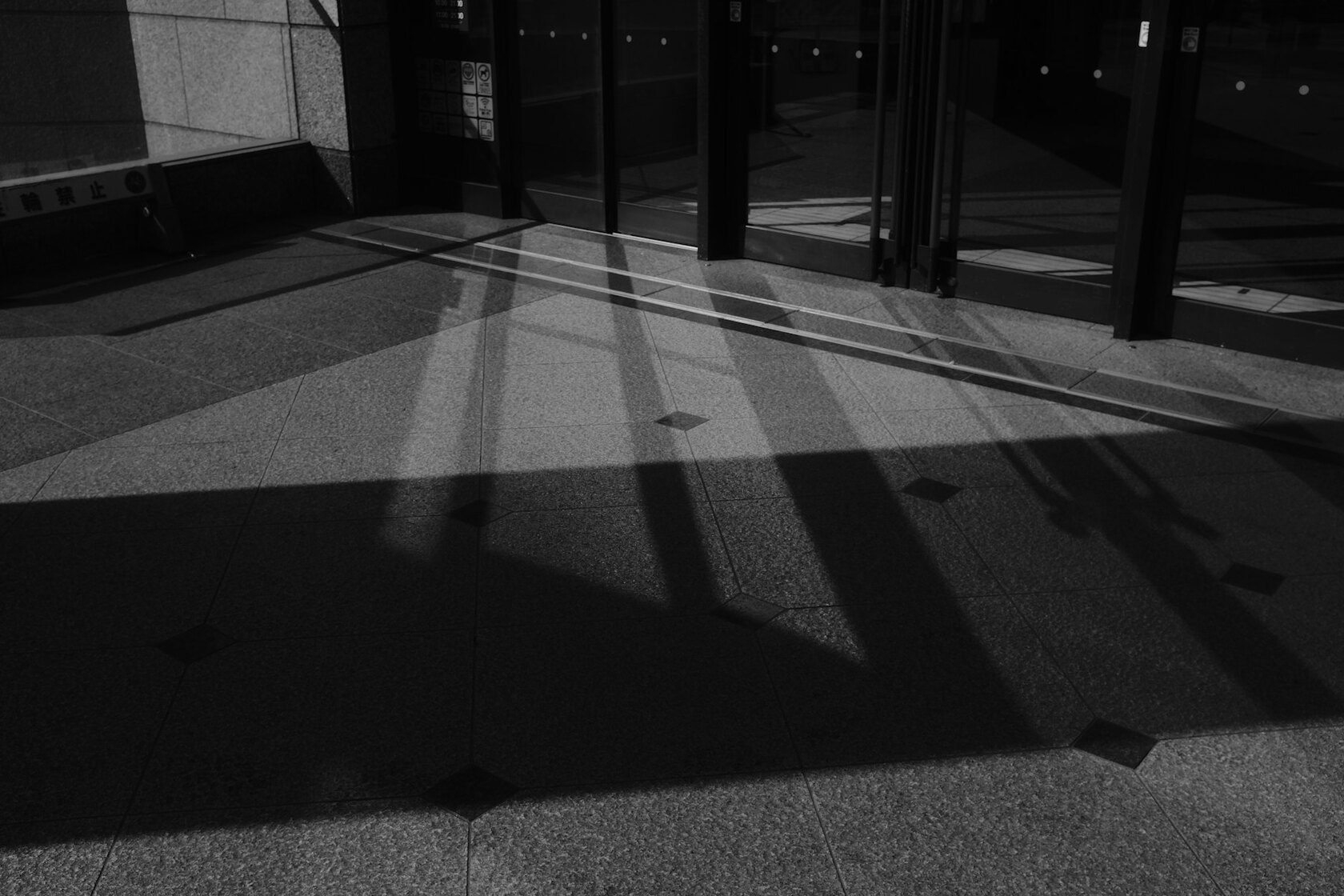
Before calling a scene beautiful, boring or photogenic, describe what is actually happening. A blue bag interrupts a line of gray coats. The shadow of a railing reaches a doorway. Two people hold their heads at the same angle. Description gives your attention somewhere specific to settle. Judgment often closes that inquiry before it has begun.
This distinction also helps when a familiar neighborhood seems exhausted. You do not need to convince yourself that it is secretly spectacular. You need a question small enough to investigate. Where does the afternoon light stop? Which surfaces reflect it? What changes when the shops open? A modest question can sustain a surprisingly rich walk.
Work the edges of the frame
Most of us notice the apparent subject first. The camera records the untidy edges as well. Before pressing the shutter, trace the frame clockwise. Notice the cropped hand, bright sign or half-visible figure. Decide whether each interruption adds energy or simply pulls attention away. A deliberate edge can make an otherwise quiet photograph feel precise.
Do not turn this into a rule that every composition must be clean. Overlap, awkwardness and visual congestion can be the point. The useful distinction is between complexity you have noticed and clutter you have ignored. Make one frame that includes the interruption, then another that excludes it. Compare how the relationship between the remaining elements changes.
Give repetition a purpose
Returning to a location is valuable when you bring a new question. On the first visit, follow light. On the second, concentrate on gestures. On the third, look for how people occupy the same small space differently. Repetition becomes research rather than an attempt to reproduce a lucky frame. Keep brief notes so that the visits remain distinguishable.
You can also repeat a composition without repeatedly firing the shutter. Raise the camera, study the scene, then lower it. See whether the picture still interests you thirty seconds later. This pause is not a test of seriousness. It is simply a way to interrupt the habit of treating every visual stimulus as a photograph you must collect.
Slowness includes your relationship with people
Attention is not permission. A person who makes a compelling shape in the light still has a life outside your composition. Notice discomfort, requests to stop and situations in which making a photograph could add pressure. A friendly conversation may be appropriate; sometimes leaving the camera lowered is the more considerate response. The picture is never the only consideration.
Avoid turning an unfamiliar community into a collection of exotic details. Spend time understanding what you are seeing, and be careful about the story a caption implies. A photograph can suggest loneliness where there was simply a moment of waiting. Looking slowly should make you more curious about that uncertainty, rather than more confident in an unsupported interpretation.
Edit for relationships
When you review a walk, place three candidate photographs together. Look for an echo: a color reappearing, a repeated gesture or a shift from public space to private detail. Then remove the most dramatic image. Does the sequence become weaker, or merely quieter? This exercise can reveal how easily a spectacular frame overwhelms the subtler idea you were beginning to explore.
Write a short description of each selection without using praise. Replace “great light” with what the light does. Replace “strong composition” with the relationship you can identify. These descriptions make your choices easier to discuss with another reader. They also give your next walk a starting point that is more useful than trying to make something impressive again.
A practice you can keep
Keep a small notebook of things that almost became photographs. Record a place, an unfinished question and one detail you want to revisit. Do not turn the notebook into another publishing obligation. Its purpose is to keep observation alive between outings. Over several weeks, recurring interests will appear, often more clearly than they do in a folder of isolated favorites.
The measure of the practice is not how many photographs survive. It is whether you begin to notice more, understand your decisions better and remain open to being surprised. Some days the result will be an image. Other days it will be a conversation, an observation or a useful failure. All of them can make tomorrow’s looking more attentive.