AI product photography trends: the e-shop studio becomes a system
Batch production, brand templates, generated video and shopping visualizations are changing the brief. Build a workflow around approved assets and accurate products.
A product photographer once handed over a finished set of pictures. An e-shop increasingly needs a family of related assets: a clean catalog image, a lifestyle crop, a seasonal advertisement, a short video and material that shopping platforms can interpret. Current AI tools bring these jobs closer together. The useful trend is a change in production, from editing an isolated photograph to managing a repeatable set of product representations.
This is an editorial reading of documented capabilities checked on 21 November 2026, not a market-share survey or a prediction that studios will disappear. The earlier parts of this feature compare background removers, single-photo scene generators and virtual models. Here the question is what their development means for the next photography brief.
Catalog consistency becomes a production task
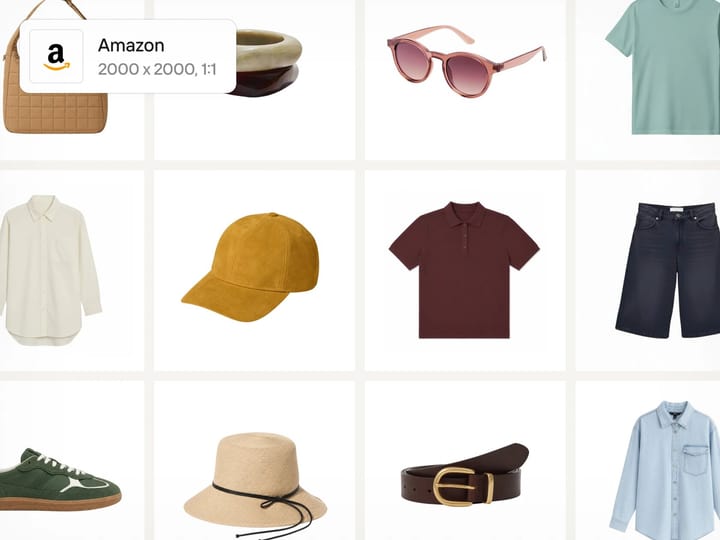
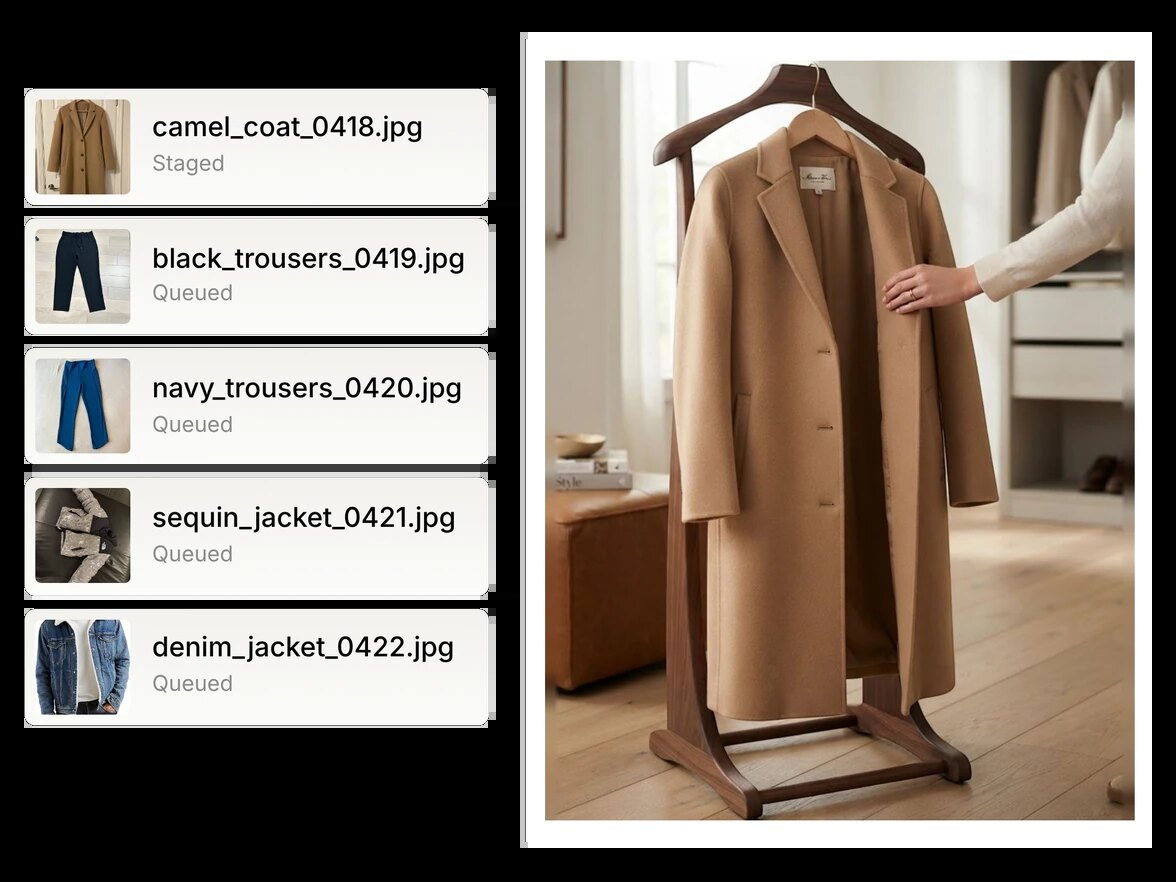
Photoroom's Batch documentation describes applying tools such as product staging and fashion models to multiple source images. Its API offering places image processing inside larger production workflows. These are documented options, not evidence that every generated catalog will be consistent.
For a merchant, the opportunity is to specify a repeatable treatment: camera angle, product scale, crop, background tone and shadow. A hundred individually attractive files can still make an untidy category page. Our recommendation is to approve a small reference set before processing a collection, then check related products together. Repetition makes small differences easier to notice and expensive mistakes easier to multiply.
Brand direction moves upstream
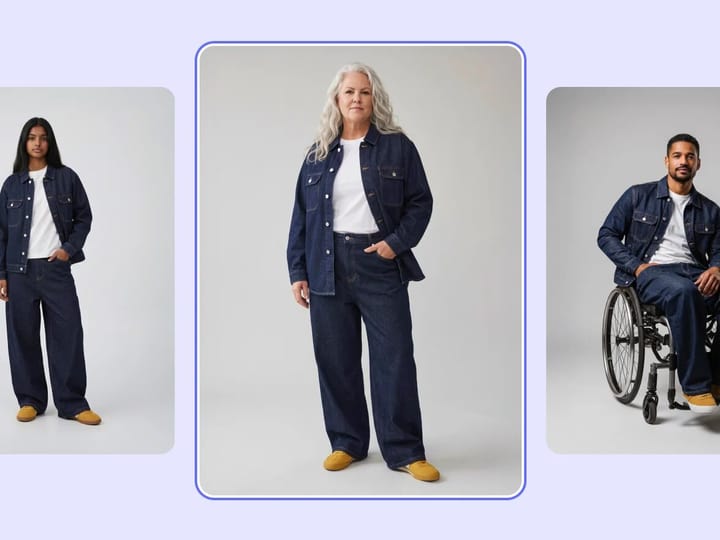
Pomelli Photoshoot applies a business profile and its aesthetics to generated product images. It supports preset and custom templates, followed by further editing. The important development is the connection between a product reference and a reusable visual direction.
A brand still needs to decide what that direction means. Write down the surface, palette, light, composition and permitted props. Describe what must remain unchanged, including packaging and product color. A reference image can communicate a mood more clearly than a long string of fashionable adjectives, but use references you are entitled to supply. A consistent template should express the business rather than imitate an unrelated campaign.
Creation moves closer to the selling channel
Shopify's file editor puts background generation and editing inside the merchant workflow. Google Product Studio combines product-image tools with Merchant Center distribution. Its documentation also specifies availability and product restrictions; an account's access to image editing does not establish access to every video feature.
This reduces the distance between making an asset and placing it in a sales channel. It also makes an approval mistake easier to publish. Keep a named review step between generation and release. Check the actual destination: the same crop may work as an advertisement and omit a necessary detail on a product page. Integration is useful when it preserves that distinction.
A still image becomes the beginning of motion
Amazon Ads' creative tools include image and video generation in Creative Studio. Amazon describes video production using product information and assets, alongside a conversational creative workflow. These are advertising tools with account and placement requirements, not a promise that any shop can publish any generated clip everywhere.
Motion creates its own review problem. A bottle that looks correct in the opening frame may acquire a changing logo, an invented cap or an unsupported pouring behavior later. Treat each clip as a new deliverable. Watch the complete sequence, inspect significant frames and check the mobile crop, text, audio and final product identity. A moving scene should not quietly turn atmosphere into a demonstration of unverified performance.
Shopping interfaces ask for better source material
Generated visualizations also appear on the customer's side of shopping. Google's merchant try-on documentation connects the output to the quality of supplied product images. A visually plausible try-on remains different from a garment measurement or a physical fitting.
For another example, Google Research's 3D product work describes generating shoppable visualizations from as few as three images. It does not establish that one front view verifies an object's unseen back. Photograph meaningful alternate angles and preserve real detail views. Better generation is a reason to make useful source photographs, especially where shape, fastening and material distinguish one product from another.
Provenance becomes part of delivery
Google Merchant Center's AI-content policy requires relevant AI-origin metadata and instructs merchants to preserve embedded provenance tags. This is platform policy. Our separate legal overview explains why applicable disclosure duties need their own analysis.
The production implication is straightforward: test the delivered file after export and image processing. Keep an accurate record of what was generated, the approved product reference and the final asset. A visible explanation and embedded metadata answer different questions. Neither compensates for showing an item the customer will not receive.
Turn the trends into a useful brief
The table translates these documented directions into proposed commissioning questions. It is a working framework, not a forecast of sales improvements.
| Direction | Documented capability | Ask in the brief |
|---|---|---|
| Catalog automation | Batch tools and image APIs | Which outputs still require human repair? |
| Brand direction | Profile- and reference-led templates | Can another operator reproduce the approved look? |
| Channel integration | Editing within commerce and advertising interfaces | Who approves each placement before release? |
| Still-to-video | Motion generated from product assets | Does the item remain accurate throughout the clip? |
| Shopping visualization | Try-on and generated multi-view experiences | Which real source views and product data are required? |
| Traceable delivery | AI-origin metadata and preserved source tags | Do the required tags survive export and delivery? |
Measure accepted work, then expand
Run a small pilot across ordinary items and difficult examples: reflective packaging, fine text, transparent material and a complicated silhouette. Keep the same required outputs when comparing workflows. Record capture, generation, correction, review and export time separately, including rejected versions.
Calculate cost per approved asset using the full production cost divided by the number accepted. A low generation fee can coexist with substantial review work. If testing commercial performance, compare like placements and audiences, record the test conditions and avoid crediting AI for a simultaneous price or campaign change. Include customer confusion and product-related complaints in the review, alongside clicks and purchases.
Photographers can turn this into a concrete service: reliable source capture, a brand treatment, controlled variations and accountable delivery. Keep a real photograph when it supplies the clearest evidence. Expand generation where the pilot establishes a useful result. The next studio's advantage may be its ability to connect creative direction, product knowledge and distribution without losing track of the object at the center.