Let the room into your portraits
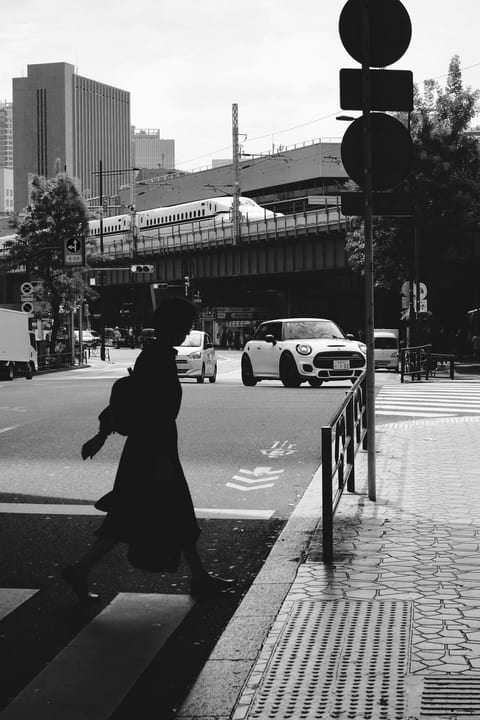
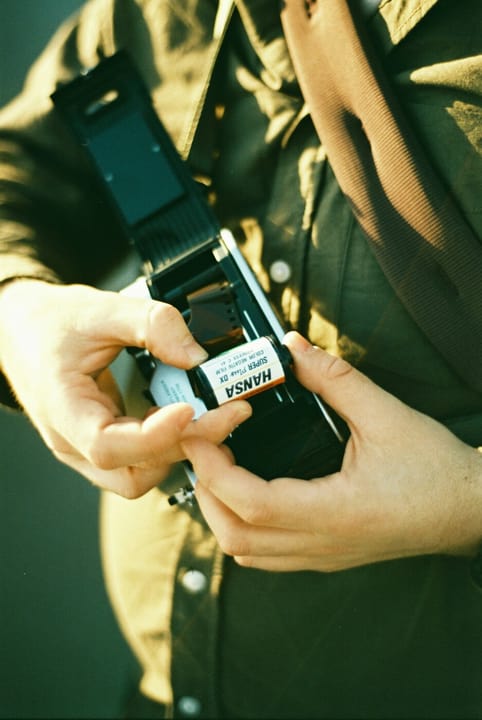
Background, distance and conversation can give a portrait a greater sense of place.
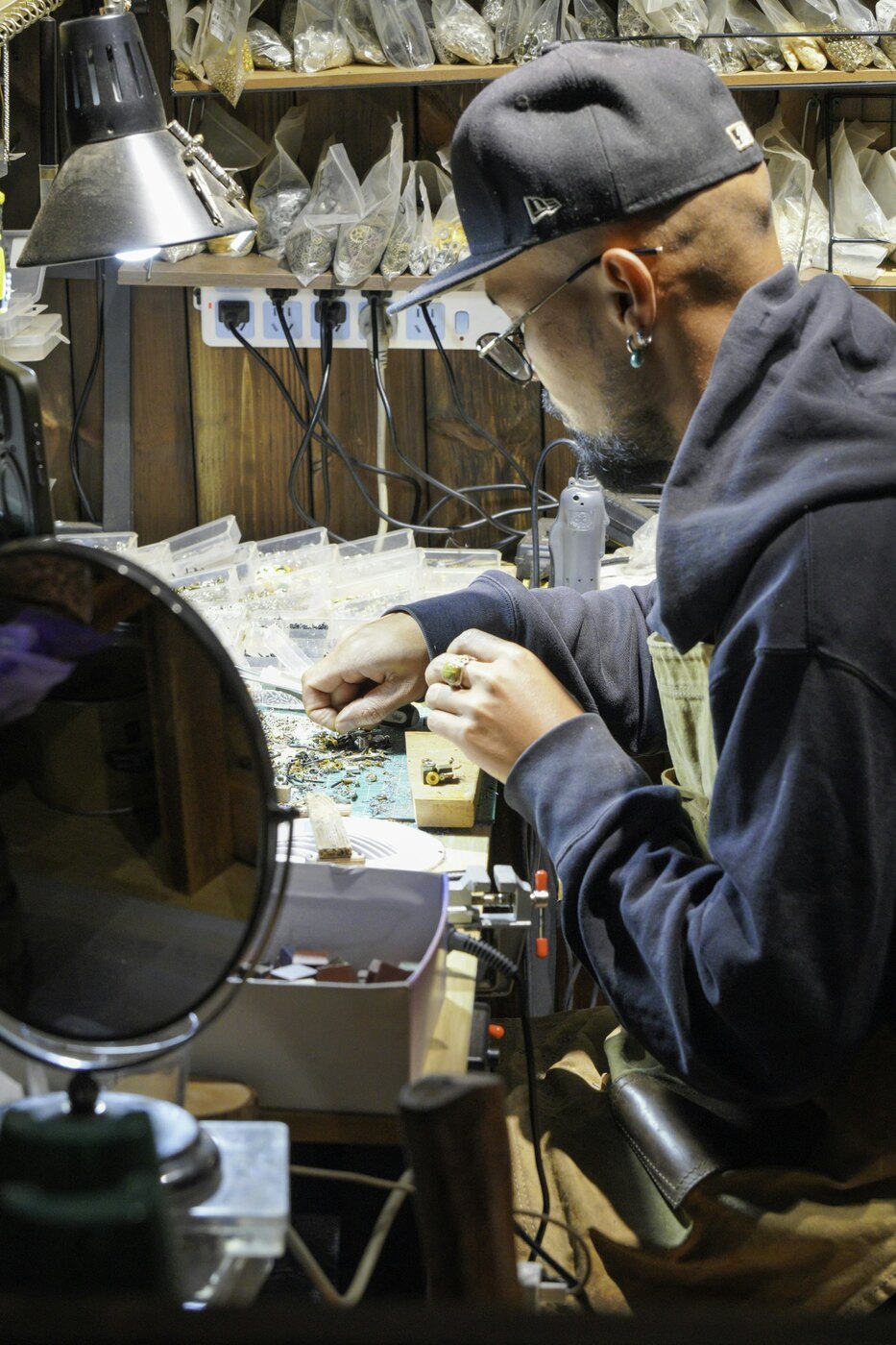
An environmental portrait makes space for more than a face. The room, street or workplace can offer information about a person, but it should not become a shortcut to a story you have already decided to tell.
Begin with a conversation
Explain what you are making and where it will appear. Ask which parts of the location feel meaningful to your subject. Check what should stay outside the frame. A clear conversation can make the session more comfortable and the resulting caption more accurate.
Before choosing a shallow aperture, make one frame with enough detail to read the surroundings. Look for objects that support the portrait and distractions that pull attention away. Moving a few steps may change the relationship more than changing a setting.
Watch the edges
Check for bright windows, intersecting lines and objects that appear to grow out of a head. Then leave room for an unplanned gesture. The portrait may happen while the subject is explaining something, rather than while waiting for your shutter.
Record names and relevant details while you are there. A strong portrait and a careful caption belong together.
Decide what the environment contributes
A background should offer more than visual texture. Ask what the location helps a viewer understand about the person. It might show how they work, where they feel at ease or how they occupy a familiar space. Avoid assuming that a workplace or a room explains an entire life. The photograph is a partial account, and a thoughtful portrait leaves room for that incompleteness.
Before the session, write down the relationship you hope to explore. Then discuss it with your subject and allow the conversation to revise the idea. They may identify something you overlooked or explain why an apparently meaningful object is unimportant. This is not a search for a ready-made symbol. It is a way to replace assumptions with information and make the session more collaborative.
Make the room workable before making it impressive
Walk through the location with the camera lowered. Notice entrances, reflections, areas of changing light and anything that would make movement awkward. Ask before moving belongings, and keep a record if you need to restore the space. A location belongs to someone beyond the duration of the photograph. Treating it carefully helps establish the trust that a portrait session depends on.
Look for one simple starting position rather than trying to use every interesting corner. A clear arrangement gives both photographer and subject something manageable to settle into. Make a test frame and inspect its edges. If the composition needs constant correction because of clutter or intersecting lines, a small change of position may create more freedom than adding another piece of equipment.
Use distance to change the relationship
Make a frame that gives the subject room, then a closer version without assuming one is better. Compare what the environment contributes at each distance. Does the wider image reveal something useful, or merely include more furniture? Does the closer image gain intimacy, or remove the context that made the portrait distinctive? The answer can change within a single session as the conversation develops.
Be aware of how your position feels to the person being photographed. Explain before moving very close, and give clear, modest instructions when a change is needed. A portrait is not made only through visual decisions. The pace of your movements, the way you ask and the time you allow for a response all affect the experience unfolding in front of the lens.
Give the subject something natural to do
Standing still while waiting for a photographer can make anyone self-conscious. If appropriate, ask about an ordinary activity connected to the place. The purpose is not to manufacture a performance of authenticity, but to find a comfortable starting point. Some people prefer conversation; others appreciate a clear pause and a direct portrait. Ask what feels workable rather than imposing one method as universally natural.
Watch what happens between instructions. A person may settle into a more comfortable posture while explaining an object or listening to a question. Be ready, but do not treat every unguarded moment as something you are entitled to use. A technically successful frame can still be a poor choice if it depends on an expression or situation that misrepresents the person and the agreed purpose of the session.
Let light describe the place
Begin by observing the light already present. Notice its direction, changes over time and how it falls on the face and the surroundings. If you introduce additional lighting, decide what problem it solves. It might make an important detail legible or balance a subject against the room. More elaborate equipment does not automatically create a more convincing sense of place.
Make a simple reference frame before changing the setup. Then compare the results while the scene is still available. Look at the environment as well as the face. A beautifully lit subject can feel disconnected from a room that has become visually irrelevant. The useful balance depends on the portrait’s purpose, so judge the complete frame rather than isolated areas that happen to be easy to improve.
Capture accurate information while you are there
Confirm the subject’s name, role and any details essential to the intended caption. Write them down instead of relying on the photograph to remind you later. If something in the room has a specific significance, ask rather than inventing an interpretation. The person’s account may complicate your first reading, and that complication can make the final presentation more accurate and interesting.
Also clarify how the images will be selected and used. A commercial commission, an editorial portrait and a personal collaboration can involve different expectations. Do not assume that a friendly session resolves those questions automatically. Clear communication about the planned audience, delivery and any review process helps prevent the final image from arriving in a context that one participant did not understand.
Edit for the person and the picture
Review expression, gesture, background and caption together. The most formally striking frame may not be the most persuasive portrait. Look for a relationship that remains interesting after the initial visual effect has worn off. Compare nearby frames so that a slightly better hand position or a quieter expression is not overlooked simply because you remember the moment when the favorite was made.
Finish with a small, coherent selection that serves the brief. Keep the wider environmental frame even if the eventual publication uses a closer crop, and preserve the caption information alongside the files. A successful environmental portrait gives a viewer something specific to notice while resisting the temptation to explain a whole person through a single room. That balance is worth more than any decorative background.