ND filter vs circular polarizer: light reduction, reflections and movement
Separate longer exposures from reflection control, calculate an ND starting point and compare filter effects with a simple field exercise.
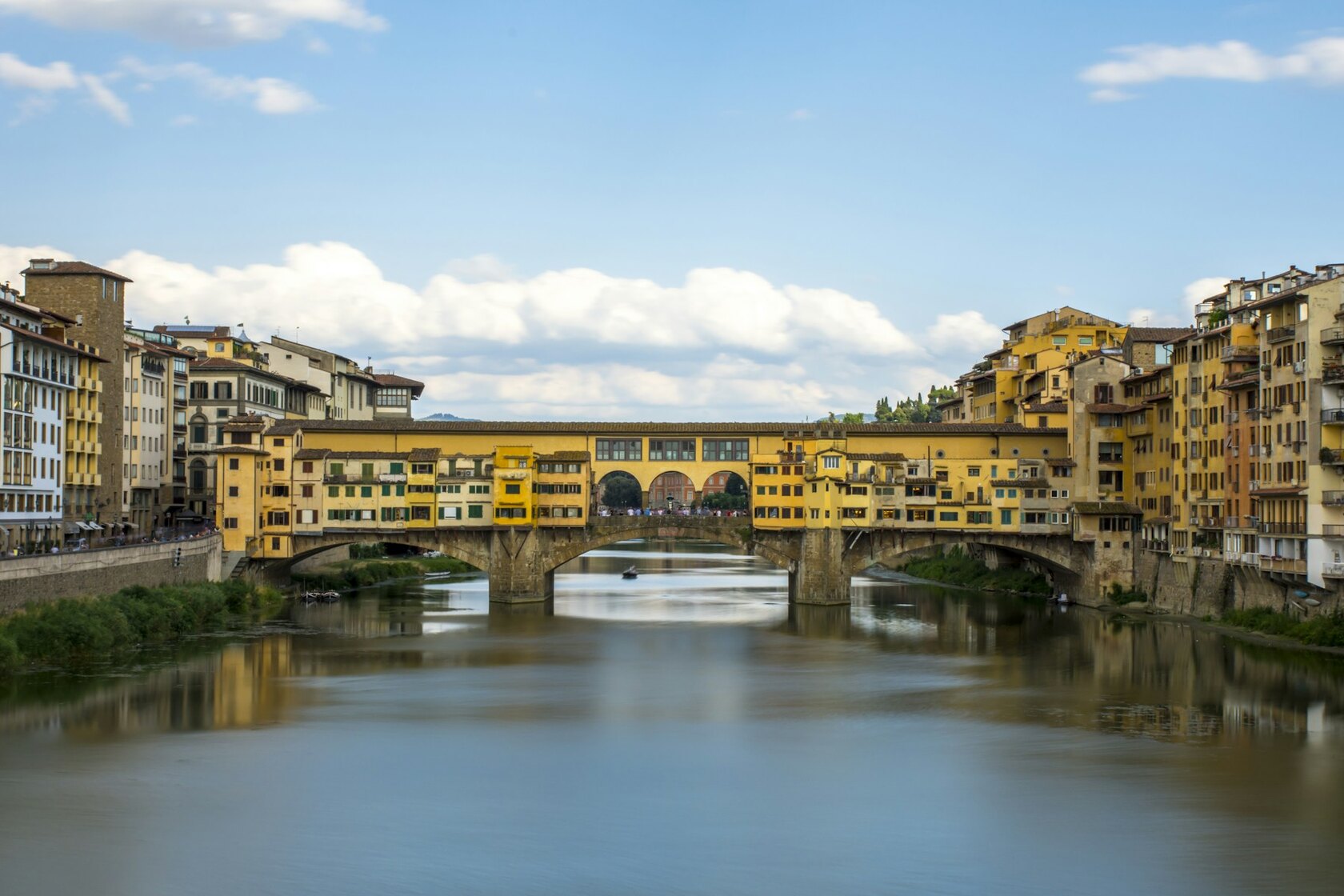
Two photographs of the same waterfall can need different filters. One photographer wants a longer exposure to describe the movement of water. Another wants less glare so the rocks beneath the surface become visible. A neutral-density filter and a circular polarizer address those different intentions. Both affect the light reaching the camera, but they are not interchangeable tools.
Begin with the problem inside the composition. Is the shutter speed too fast for the movement you want? Are reflections hiding important detail? Does the reflection itself make the picture interesting? Answering those questions is more useful than assembling a stack of filters and hoping the combined effect improves the scene.
| Tool | Primary purpose | Practical consideration |
|---|---|---|
| Fixed ND | Reduce light by a stated amount | Calculate exposure, then verify the result |
| Variable ND | Adjust the reduction while working | Evaluate the usable range and image uniformity |
| Circular polarizer | Change selected reflections and sky appearance | Effect depends on rotation and viewing geometry |
| ND and polarizer together | Combine timing control with reflection control | Check exposure, corners, flare and handling |
Neutral density changes the exposure options
A neutral-density filter reduces the amount of light reaching the sensor. Nikon's guide identifies longer exposures in bright conditions and wider apertures as reasons to use one. If you want moving water to form continuous streaks while keeping ISO and aperture fixed, reducing the light lets you extend the exposure without simply overexposing the frame.
The filter does not decide how much movement looks good. A long exposure can describe flow, conceal texture or turn separate waves into a smoother surface. Compare several durations against the intention. A picture about the force of breaking water may benefit from visible structure that a much longer exposure removes. Exposure time is a descriptive choice as well as a technical one.
Calculate a starting point, then check it
Each stop of light reduction doubles the exposure time needed when aperture and ISO remain unchanged. Six stops therefore require 64 times the original exposure duration. Starting from 1/125 second, that gives approximately 0.51 second. This is an illustrative calculation, not a measured transmission result for a particular filter.
Use the calculation to reach a useful first frame, then inspect the image and histogram. Lighting may change, and the actual filter may differ from its nominal rating. Remember that cameras in automatic modes can compensate in several ways. If you are specifically comparing shutter durations, control the other exposure variables so the experiment remains interpretable.
A polarizer changes selected reflections
A circular polarizer can reduce certain reflections from surfaces such as water or glass, depending on the geometry. Nikon's polarizer examples show how that can reveal detail beneath glare and change the appearance of foliage and sky. Rotate the filter while looking at the scene and evaluate the effect at the intended shooting position.
Reflections are not always distractions. They can reveal a surface, introduce color or connect objects within a frame. Try a partial effect as well as the strongest visible reduction. If a shop window's reflection gives the street its character, eliminating it may make the photograph less informative. Decide what the reflected light contributes before removing it.
Rotation, angle and composition interact
The polarizing effect depends on direction, so inspect the whole frame rather than only the central subject. A broad view of blue sky can contain visibly different levels of darkening. Change the rotation or composition and compare. A more expensive filter does not make every direction of light behave identically.
Also remember that using a polarizer reduces light. Recheck shutter speed if you are working handheld or photographing moving subjects. This light reduction can sometimes help extend an exposure, but it is not equivalent to selecting a known ND strength for a particular timing requirement. Check the meter and the result instead of assigning a universal light-loss figure to every polarizer.
Fixed and variable ND suit different working habits
A fixed ND supplies a stated reduction. A variable ND lets you change the reduction by rotating its control. The convenient option depends on your working pace, required range and how consistently you can reproduce settings. PolarPro's explanation distinguishes filter types and their intended roles; its product-specific claims should not be treated as independent rankings of every manufacturer's designs.
When evaluating a variable filter, examine the range you will actually use. Check for unevenness, color changes and interactions with the scene at the intended focal length. Make the same checks with a fixed filter. This is a proposed equipment trial, not a claim that GOBO has measured the color accuracy or sharpness of particular products.
Stacking filters adds practical complications
Combining ND and polarization can be useful when you want both reduced glare and a longer exposure. It also adds surfaces, mounting thickness and another control to manage. Inspect the corners for obstruction, especially at wider views, and check bright light sources for flare or reflections introduced by the arrangement.
Confirm the lens's filter diameter and any adapter requirements before buying. A step-up ring can help share a filter between compatible lenses, but it may affect hood use or handling. Avoid forcing a threaded attachment. Keep the setup simple enough that changing one effect does not accidentally disturb focus, composition or another rotating element.
Make a comparison that answers your question
Choose an accessible scene containing moving water and a reflective surface. First photograph it without a filter at a usable exposure. Add the polarizer and make frames at two different rotations, adjusting exposure appropriately. Then compare a longer exposure with ND. Keep notes so you can distinguish the effect of duration from the effect of reflection control.
Review the set at the size you intend to present. Ask which version describes the material and movement most clearly, and whether any lost reflection was actually useful. The purpose of the exercise is to connect a visible result with a deliberate choice. Once that connection is clear, choosing a filter becomes part of composing the photograph rather than an accessory ritual.